
Active leaks and ceiling stains
We trace the leak to the entry point, not just the drip line inside. Common sources include flashing at chimneys and walls, roof valleys, plumbing vent boots, and fastener penetrations.
Serving Exton, Pennsylvania & surrounding areas
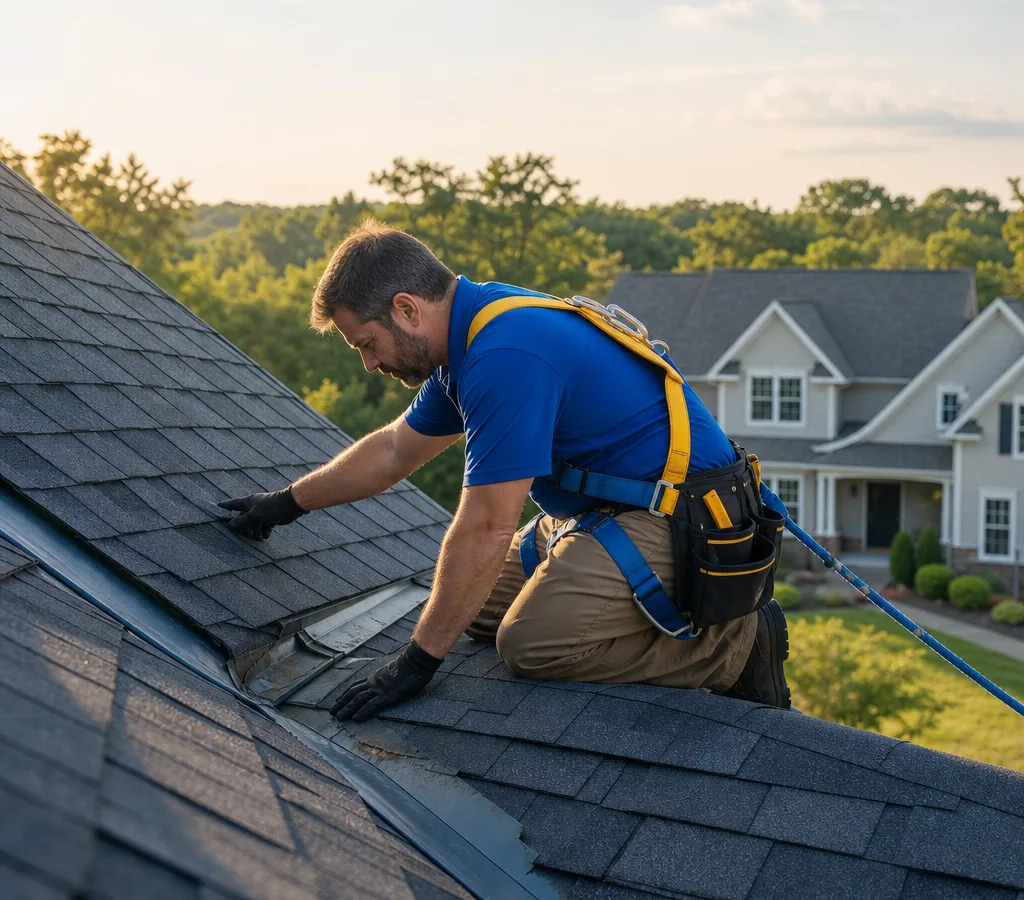
Stop leaks fast, prevent bigger damage, and get a clear written scope before any work starts. Roofing Exton repairs asphalt shingle and flat roofing issues with straightforward options and tidy workmanship.
✓ Skip the 3-hour Google rabbit hole — we’ve already done the vetting
✓ One conversation, not ten voicemails and seven web forms
✓ 24/7 response — talk to a real person who actually knows Exton
A real person answers. No pressure. No obligation.
If you are searching for roof repair Exton help, it usually means something changed quickly: a ceiling stain, a drip near a chimney, shingles on the ground after wind, or a flashing joint that started letting water in. The goal is to stop water intrusion first, then repair the roofing system so the problem does not come back the next time we get heavy rain.
In Exton and the surrounding Chester County area, roofs see frequent freeze-thaw cycles, wind-driven rain, and plenty of tree debris. Those conditions tend to show up as lifted shingles, exposed nail heads, cracked pipe-boot seals, and failing sealant where metal meets shingles. On low-slope areas such as porch roofs, rear additions, and certain garages, ponding water and edge details can create slow leaks that are hard to track without a close inspection.
Roofing Exton focuses on repair work that restores the roof's water-shedding layers: shingles or membrane, flashing, underlayment at vulnerable transitions, and ventilation-related details that can drive moisture problems in attics. If your roof is near the end of its service life, we will tell you plainly what a repair can realistically accomplish and what it cannot.
We trace the leak to the entry point, not just the drip line inside. Common sources include flashing at chimneys and walls, roof valleys, plumbing vent boots, and fastener penetrations.
Missing shingles, lifted tabs, and bent flashing can turn into rapid water entry. We secure compromised areas and replace damaged materials with compatible products so the repair blends and performs.
Step flashing, counter flashing, drip edge, and kickout flashing details matter. Many “mystery leaks” come from metal transitions that were never layered correctly or have loosened over time.
Valleys move a lot of water. We repair valley material and surrounding shingles, and we correct nail placement and overlap issues that cause repeat leaks.
Rear additions and porch roofs often have low slope. We repair seams, edge terminations, and penetrations where water can work its way under the surface.
If an inspection report flags roofing items, we can document what was repaired, what was replaced, and what to monitor, so you have a clear paper trail.
A good roof repair starts with understanding how water travels. A stain in a second-floor bedroom might be caused by a small opening several feet uphill, or even at a nearby wall intersection where wind pushes water sideways.
We inspect the roof surface for torn or missing shingles, brittle edges, granule loss around fasteners, and soft spots. Then we focus on the details that most often fail first: pipe boots, skylight and chimney flashing, step flashing along sidewalls, valleys, and the edge line at gutters and rakes. Inside, we look for attic moisture clues when accessible, because wet decking patterns can point back to the entry path.
You will get a straightforward explanation of what failed and why, plus the repair options that make sense for your roof's age and construction. If you are also planning broader work later, our team at Roofing Exton can help you stage repairs so you are not paying twice for the same tear-off areas.
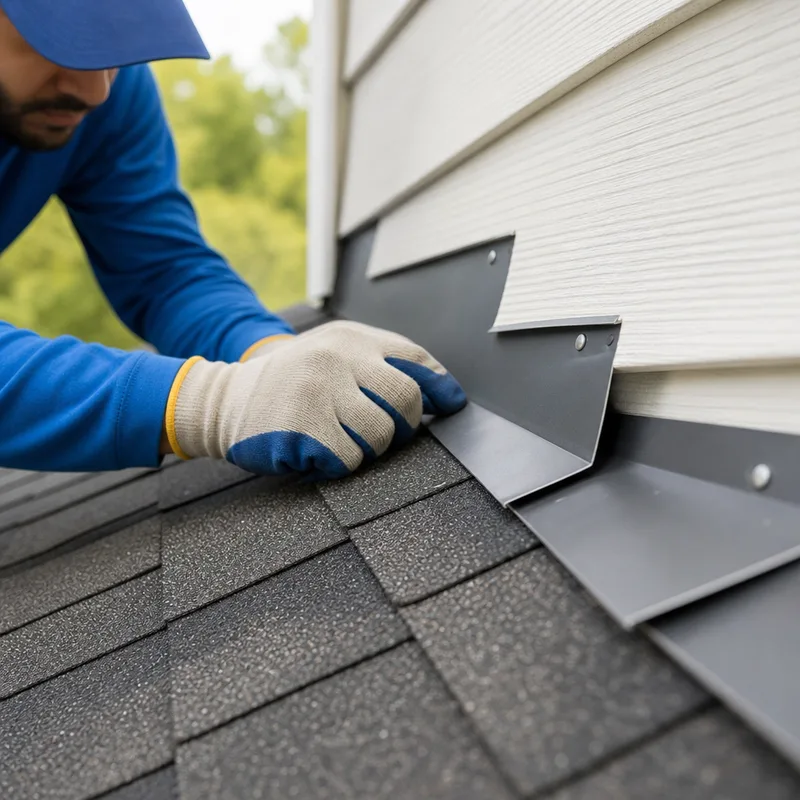
A clear process identifies the failure, documents the repair, and keeps you informed from the first inspection through cleanup.
Tell us what you are seeing—stain location, when it leaks, and any recent storms. We schedule an on-roof assessment so we can confirm the cause and scope.
We document the problem areas and check the surrounding field of the roof for related weaknesses, especially around penetrations and transitions.
You get a clear description of what will be removed, replaced, and resealed. If there are multiple valid approaches, we explain the tradeoffs in durability and cost.
We replace damaged materials, correct flashing and sealing details, and clean up nails and debris. If interior water was present, we will note what to watch as the area dries.
We review what was repaired, share photos, and point out any nearby areas that should be monitored over the next season.
Most roof repair work in Exton typically ranges from about $250 to $1,200, depending on access, the roof type, and whether the fix is a small shingle or flashing repair or a more involved leak chase. Minor repairs—a few shingles, a pipe boot, or a small flashing adjustment—often land in the lower end, while valley repairs, chimney flashing work, or low-slope seam repairs run higher.
Your final price depends on roof pitch and height, how much material needs to be removed to reach the failure point, matching materials, and whether decking or underlayment is damaged. The exact cost is confirmed after an on-roof inspection and a written scope.
“We had a leak that only showed up during heavy rain. They found the issue at the sidewall flashing, not where the stain was, and the repair has held through multiple storms.”
“Clear explanation, photos of the problem, and no pressure to replace the whole roof. The crew finished the repair the same day and cleaned up well.”
Often, yes, especially when the goal is to stop active water entry quickly, but it depends on weather conditions and safe roof access. If rain is ongoing, we may start with a temporary stabilization and return for the full repair when conditions allow a proper dry installation and sealing.
A ceiling leak can come from flashing or a penetration rather than the open shingle field. Water commonly enters at a sidewall intersection, chimney, plumbing vent boot, or valley and then travels along the decking until it finds a low point to drip into the ceiling.
Any active leak should be treated as time-sensitive because water can damage insulation, drywall, and roof decking. Even a small intermittent leak in Exton's wet seasons can spread, so it is worth getting the source confirmed and repaired instead of relying on interior patching.
Yes. Many homes have a primary asphalt shingle roof with low-slope sections over porches, bays, or additions, and leaks often occur where those areas tie in. We repair the specific system in place and focus on the transition details that keep water moving off the roof.
We try to match as closely as practical, but exact matches are not always available due to product changes and weathering. When a perfect match is not possible, we prioritize a watertight repair and place replacement shingles in a way that looks consistent from the ground.
If water is coming in, protect the interior first: move items away, place a container to catch drips, and note when the leak occurs and where. Avoid climbing on the roof, especially on wet or steep surfaces, because slips are common and can turn a repair into a serious injury.
Tell us what you are seeing and when it happens. Roofing Exton will inspect the roof, identify the source, and provide a clear scope of repair options so you can protect the home with confidence.